
Sleep Tourism: Why the World’s Hottest Travel Trend Is All About Rest, Not Rush
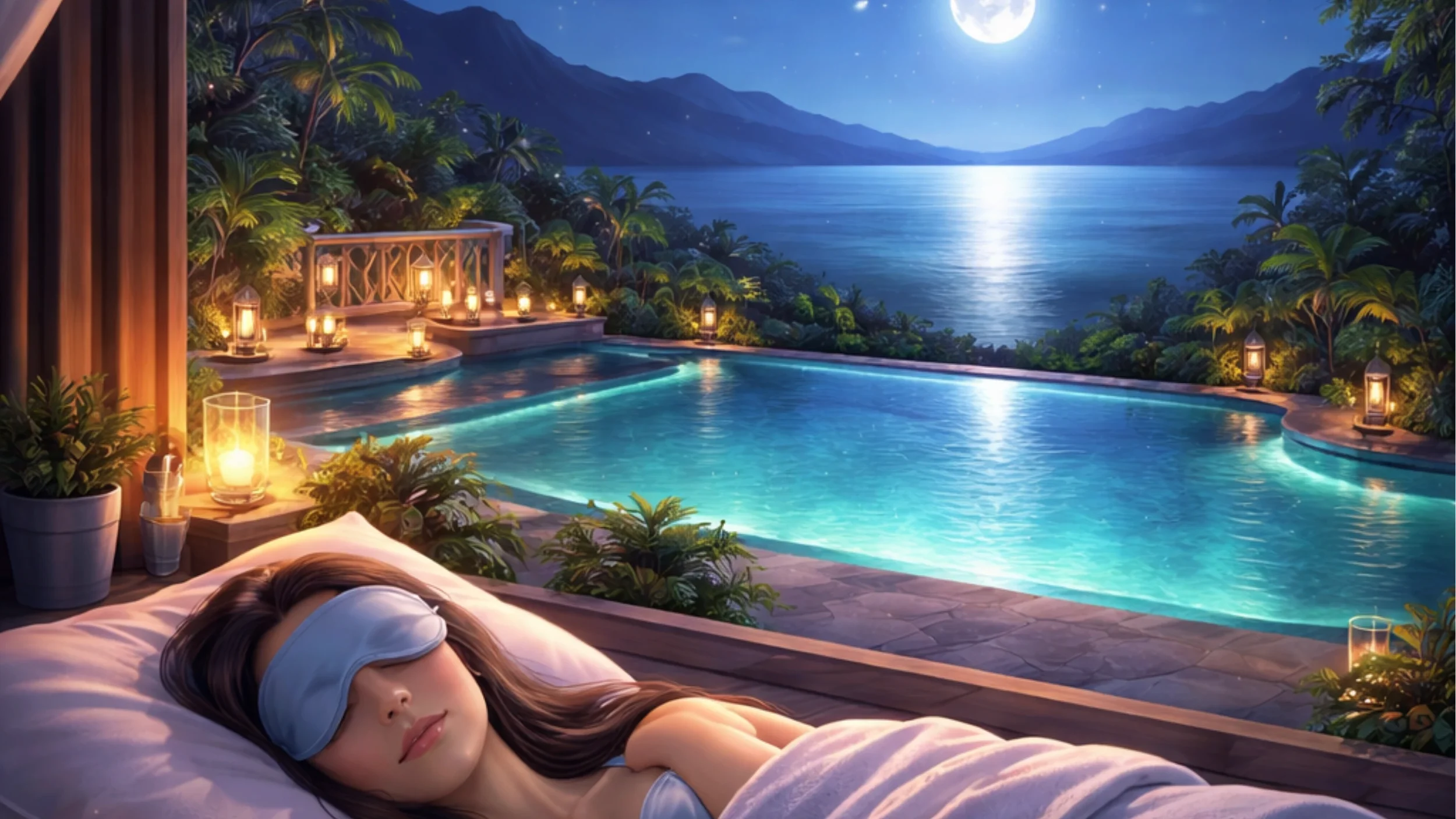
In a world that glorifies hustle, packed itineraries, and “see-it-all” vacations, a powerful new travel trend is quietly redefining what luxury really means. Welcome to sleep tourism — the fast-growing global movement where travelers choose destinations not for nightlife or landmarks, but for one precious thing: deep, restorative sleep.
From pillow menus and sleep concierges to soundproof rooms, circadian lighting, and wellness retreats designed around rest, sleep tourism is no longer niche. It’s becoming the future of travel.
If you’re exhausted, burned out, or craving a vacation that actually leaves you feeling better than when you arrived, this trend might be exactly what you’ve been waiting for.
What Is Sleep Tourism?
Sleep tourism is a form of wellness travel focused on improving sleep quality, recovery, and overall well-being. Instead of sightseeing from dawn to dusk, travelers book experiences centered around:
Optimal sleep environments
Scientifically designed bedrooms
Personalized sleep programs
Stress reduction and nervous system regulation
Recovery from burnout, jet lag, or insomnia
Unlike traditional vacations that often leave people more tired than before, sleep tourism prioritizes rest as the main attraction.
And yes — people are now flying across the world just to sleep better.
Why Sleep Tourism Is Exploding Right Now
Sleep tourism didn’t appear by accident. It’s a direct response to modern life.
1. The Global Sleep Crisis
According to multiple studies, millions of adults worldwide suffer from sleep deprivation. Screens, stress, long work hours, and constant notifications have disrupted our natural sleep rhythms.
Travelers are no longer asking, “How much can I see?”
They’re asking, “How can I finally rest?”
2. Post-Pandemic Travel Priorities
After years of uncertainty, travelers are shifting from fast-paced tourism to intentional, wellness-focused travel. Mental health, recovery, and balance now matter more than crowded itineraries.
3. Luxury Redefined
Luxury is no longer about gold-plated lobbies or flashy experiences. Today’s luxury is:
Silence
Comfort
Deep sleep
Waking up refreshed
Sleep has become the ultimate status symbol.
What Makes a Sleep Tourism Experience Different?
Sleep tourism goes far beyond a comfortable bed. These experiences are often built using sleep science and holistic wellness principles.
1. Sleep-Optimized Rooms
Hotels and retreats offering sleep tourism typically feature:
Blackout curtains or zero-light rooms
Soundproof walls or white noise systems
Temperature-controlled mattresses
Hypoallergenic bedding
Premium pillows with customizable firmness
Some properties even allow guests to choose their mattress type or pillow height before arrival.
2. Personalized Sleep Programs
High-end sleep tourism destinations often include:
Sleep consultations
Circadian rhythm assessments
Guided wind-down routines
Breathing exercises and meditation
Jet lag recovery plans
These programs are especially popular among frequent flyers and digital nomads.
3. Technology That Supports Rest (Not Disrupts It)
Unlike typical hotels filled with blinking lights and noise, sleep-focused properties integrate:
Blue-light–free lighting
Smart sleep trackers (optional)
Screen-free zones
Wake-up lighting that mimics sunrise
Technology here is subtle, intentional, and designed to disappear.
Top Destinations Leading the Sleep Tourism Trend
Sleep tourism is global, but some destinations stand out as pioneers.
Switzerland: The Capital of Sleep Luxury
Known for its precision and wellness culture, Switzerland has become a hotspot for sleep tourism. Luxury resorts here offer altitude-adjusted rooms, oxygen-enriched air, and medical-grade sleep programs.
Japan: Sleep as a Cultural Art
In Japan, rest is deeply respected. From capsule hotels designed for perfect naps to ryokans offering tatami floors and calming rituals, Japan blends tradition with science for restorative sleep experiences.
Scandinavia: Where Silence Is the Luxury
Finland, Norway, and Sweden offer sleep retreats surrounded by forests, lakes, and Arctic silence. Cold exposure, sauna rituals, and nature immersion help reset the nervous system and promote deep sleep.
Thailand & Bali: Affordable Sleep Retreats
Wellness resorts in Southeast Asia are making sleep tourism accessible. Guests enjoy:
Holistic therapies
Herbal sleep remedies
Yoga nidra sessions
Sound healing
All at a fraction of Western prices.
Who Is Sleep Tourism For?
Sleep tourism isn’t just for luxury travelers. It appeals to a wide range of people:
Burned-out professionals
Entrepreneurs and remote workers
Parents needing real rest
Frequent travelers with jet lag
Insomnia sufferers
Wellness-focused millennials and Gen Z
Anyone craving a slower, healthier travel experience
If you’ve ever returned from a vacation feeling exhausted, sleep tourism was designed for you.
Sleep Tourism vs. Wellness Tourism: What’s the Difference?
While sleep tourism falls under the wellness travel umbrella, it has a clear focus.
Wellness Tourism Sleep Tourism Yoga & fitness Deep rest & recovery Detox programs Sleep optimization Busy schedules Minimal, calming routinesActive experiences Stillness & silence.
Sleep tourism doesn’t demand effort. Its goal is to help you let go.
The Rise of Sleep Concierge Services
One of the most fascinating developments in this trend is the rise of sleep concierges.
These specialists help guests:
Choose the right pillow and mattress
Create a personalized bedtime routine
Adjust lighting and temperature
Manage jet lag
Improve sleep habits at home
It’s like having a personal guide — but for rest.
How Sleep Tourism Is Influencing the Travel Industry
Sleep tourism is already changing how hotels, airlines, and travel brands operate.
Hotels are redesigning rooms for silence and darkness
Airlines are promoting jet lag recovery programs
Travel brands are marketing rest as a feature, not an afterthought
Sleep products are becoming travel essentials
Expect to see more “sleep-first” travel experiences in the coming years.
How to Plan Your Own Sleep Tourism Trip
You don’t need to book a $10,000 retreat to experience sleep tourism. Here’s how to start:
1. Choose the Right Destination
Look for quiet locations, nature escapes, or wellness resorts rather than city centers.
2. Prioritize the Hotel
Your accommodation matters more than attractions. Read reviews focusing on:
Bed comfort
Noise levels
Room darkness
3. Pack Sleep Essentials
Bring items that support your sleep:
Eye masks
Earplugs
Travel pillows
Blue-light–blocking glasses
4. Slow Down
Avoid overbooking activities. Leave space for naps, early nights, and stillness.
Why Sleep Tourism Is More Than a Trend
Sleep tourism isn’t just a buzzword — it’s a reflection of a cultural shift. People are finally realizing that rest is not a luxury or a weakness. It’s a necessity.
In a hyper-connected world, choosing sleep is an act of self-respect.
Travel is no longer about escaping life — it’s about recovering from it.
Is Sleep Tourism Worth It?
If you want a vacation that truly restores you — mentally, physically, and emotionally — sleep tourism is absolutely worth exploring.
Instead of coming home with souvenirs and exhaustion, you return with:
Better sleep habits
A calmer nervous system
Renewed energy
A healthier relationship with rest
And that might be the most valuable travel experience of all.