
Bursa: Turkey's Winter Wonderland and Historical Treasure
Nestled at the foot of Mount Uludağ in northwestern Turkey, Bursa stands as one of the country's most captivating cities, offering a unique blend of Ottoman heritage, natural beauty, and winter sports excellence. As the first capital of the Ottoman Empire, this vibrant metropolis has evolved into a year-round destination that truly comes alive during the winter months, when snow blankets its mountains and a special magic settles over its historic streets.
A City Steeped in History
Bursa's tourism appeal begins with its extraordinary historical legacy. Founded in the 2nd century BCE, the city served as the Ottoman capital from 1335 to 1363, leaving behind an architectural heritage that continues to mesmerize visitors today. The city's skyline is punctuated by magnificent mosques, each telling stories of imperial grandeur and spiritual devotion.
The Green Mosque (Yeşil Cami) stands as perhaps the most iconic symbol of Bursa's architectural prowess. Completed in 1424, this masterpiece of early Ottoman architecture earned its name from the stunning green-blue tiles that adorn its interior walls. The intricate calligraphy and geometric patterns showcase the zenith of Ottoman artistic achievement, while the mosque's mihrab remains one of the finest examples of tile work in the Islamic world.
Adjacent to the Green Mosque, the Green Tomb (Yeşil Türbe) houses the remains of Sultan Mehmed I. Its exterior, covered in turquoise tiles that shimmer under winter sunlight, creates an almost ethereal presence against snowy backdrops. The tomb's interior features equally impressive tile work and serves as a testament to the reverence the Ottomans held for their rulers.
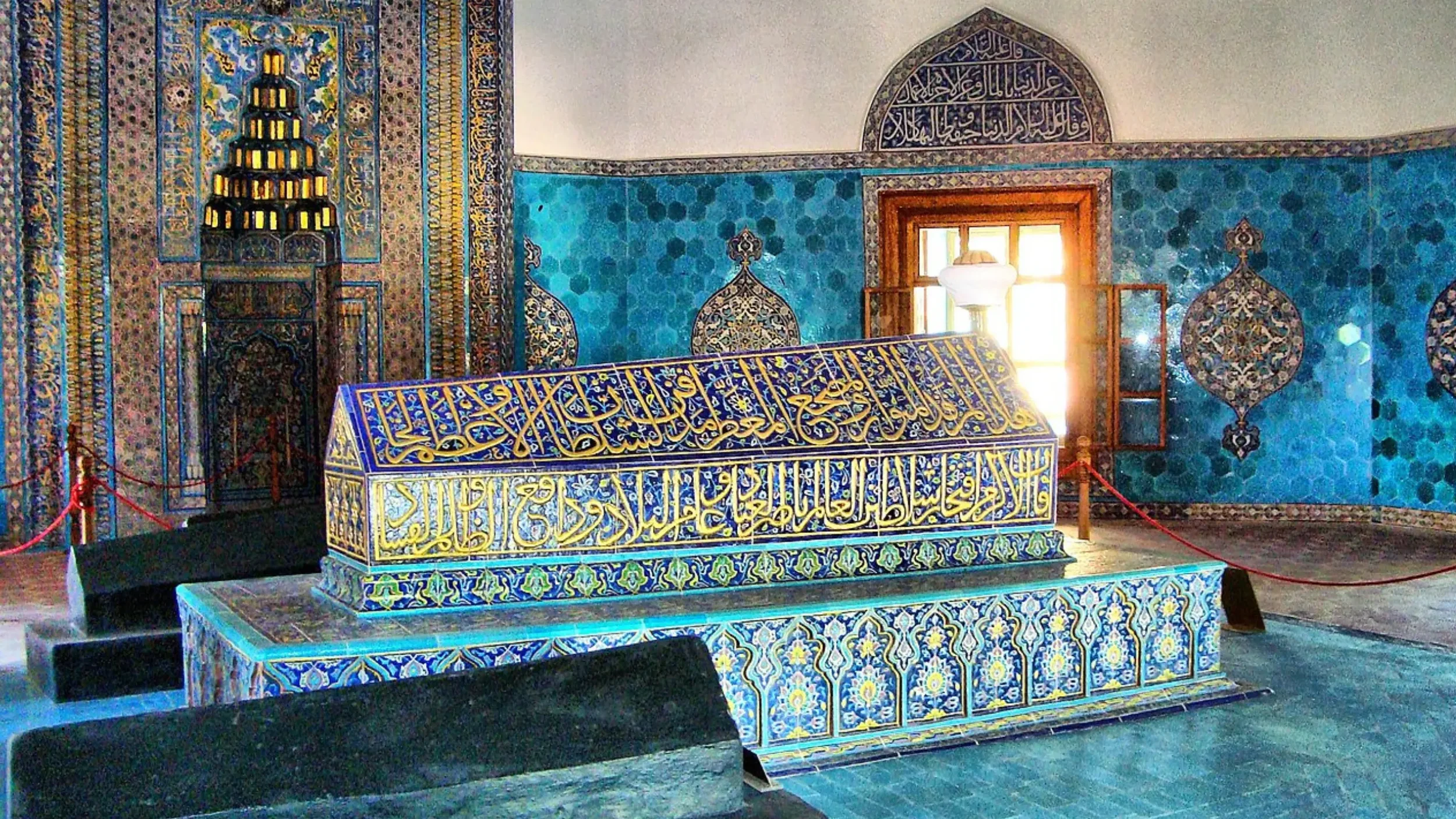
The Grand Mosque (Ulu Cami), built between 1396 and 1399, represents another architectural marvel. With its 20 domes and distinctive ablution fountain at its center, the mosque exemplifies classical Ottoman design. The building's 192 monumental wall inscriptions, written by famous calligraphers of the era, transform the interior into a gallery of Islamic art.
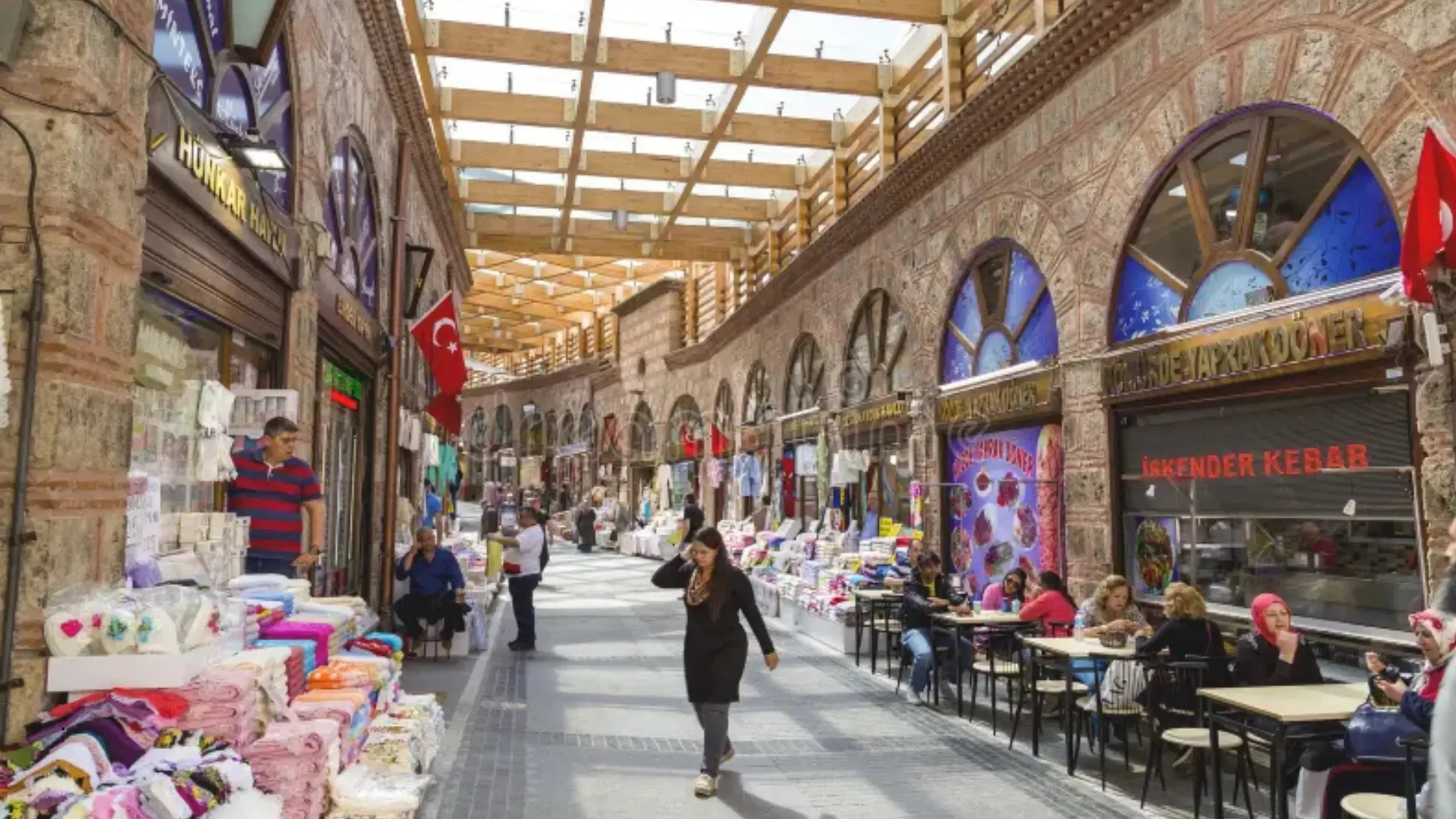
Beyond mosques, Bursa's covered bazaar district transports visitors back centuries. The sprawling network of hans (caravanserais) and bedestens (covered markets) includes the famous Koza Han, built in 1490 as a silk trading center. Even today, merchants sell silk products beneath its arcaded courtyard, maintaining traditions that stretch back over five centuries. Walking through these historic markets during winter, with the scent of roasted chestnuts filling the cold air, offers an authentic glimpse into Ottoman commercial life.
The Thermal Heritage
Bursa's appeal extends beyond its monuments to its natural thermal springs, which have attracted visitors since Roman times. The city sits atop geothermal fields that produce mineral-rich hot springs, leading to its historical nickname "Green Bursa" not only for its lush surroundings but also for its life-giving waters.
The thermal baths of Çekirge neighborhood represent an essential part of the Bursa experience, particularly during winter months. Ancient bathhouses like the Eski Kaplıca and Yeni Kaplıca have welcomed bathers for centuries, offering therapeutic warmth against winter's chill. Modern spa hotels in the area have elevated the thermal bathing tradition, providing luxurious facilities while maintaining the essence of this ancient practice. After a day exploring snowy mountain slopes or wandering through cold historic streets, immersing oneself in these heated mineral waters becomes almost transcendent.
Uludağ: Turkey's Premier Winter Destination
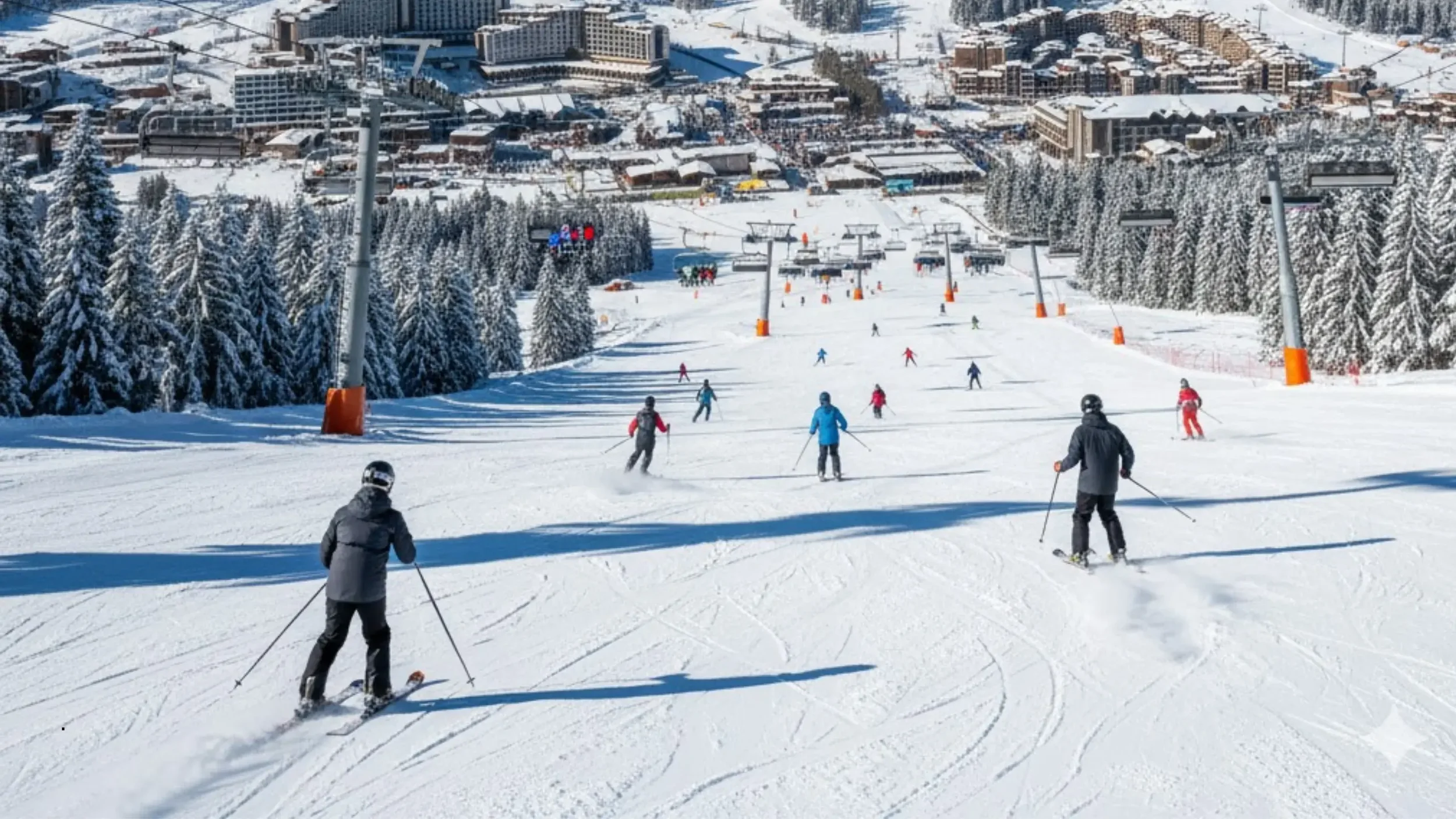
While Bursa's historical and cultural attractions would alone justify a visit, the city's proximity to Uludağ elevates it to an essential winter tourism destination. Mount Uludağ, rising to 2,543 meters, transforms Bursa into Turkey's most accessible major ski resort, located just a short cable car ride from the city center.
The Uludağ ski resort has been Turkey's winter sports capital since the 1930s, and decades of development have created a comprehensive winter tourism infrastructure. The mountain offers 28 kilometers of ski slopes catering to all skill levels, from gentle nursery slopes for beginners to challenging runs for advanced skiers. Modern ski lifts, including gondolas and chairlifts, efficiently transport visitors up the mountain, while equipment rental facilities ensure even spontaneous visitors can enjoy the slopes.
The ski season typically runs from December through April, with January and February offering the most reliable snow conditions. During these peak months, the mountain becomes a wonderland of winter activity. Beyond skiing and snowboarding, visitors can enjoy snowmobiling, sledding, and simply experiencing the pristine alpine environment. The summit areas offer breathtaking panoramic views across the Marmara region, with the sea visible on clear days creating a stunning contrast between snow-covered peaks and distant blue waters.
One of Uludağ's unique advantages is its accessibility. The Bursa cable car system (Teleferik) provides a spectacular 20-minute journey from the city to the mountain, eliminating the need for long, winding drives common at other ski resorts. This ease of access makes Uludağ ideal for day trips, allowing visitors to combine skiing with cultural exploration in the city below.
The mountain resort area features numerous hotels ranging from budget-friendly options to luxury establishments, many offering ski-in/ski-out access. After-dark, the resort comes alive with restaurants, cafes, and entertainment venues, creating a vibrant apres-ski scene. Local specialties like İskender kebab, which originated in Bursa, and candied chestnuts (kestane şekeri) provide authentic culinary experiences alongside international resort fare.
Winter in the City
While Uludağ captures much winter attention, Bursa's urban environment offers its own seasonal charms. The city's many parks and gardens, particularly beautiful in spring and summer, take on a different character under winter conditions. Cumhuriyet Park and Reşat Osman Park become peaceful winter retreats where locals and visitors alike enjoy the crisp air and occasional snowfall.
Winter markets appear throughout the city, selling seasonal specialties like hot sahlep (a traditional drink made from orchid root), roasted chestnuts, and kumpir (stuffed baked potatoes). These markets create warm gathering places where the community comes together despite the cold, embodying Turkish hospitality at its finest.
The city's numerous museums provide excellent refuge from winter weather while enriching visitors' understanding of the region. The Bursa City Museum chronicles the city's long history, while the Turkish and Islamic Arts Museum houses exquisite collections in the Green Mosque complex. The Ottoman House Museum recreates aristocratic life during the empire's height, offering insight into how residents navigated winters past.
Food enthusiasts find winter in Bursa particularly rewarding. The city's culinary scene emphasizes hearty, warming dishes perfect for cold weather. Beyond the famous İskender kebab—thinly sliced döner meat over pide bread with tomato sauce and brown butter—winter menus feature meat stews, soups, and the sweet treat of candied chestnuts that have been a Bursa specialty for generations.
Practical Considerations for Winter Visitors
Visiting Bursa during winter requires some preparation. Temperatures in the city typically range from 0 to 10 degrees Celsius, while mountain temperatures drop considerably lower. Layered clothing, waterproof outer layers, and sturdy footwear are essential, particularly if planning to visit both city and mountain locations.
The city's location, roughly two hours from Istanbul by car or bus, makes it an easy addition to any Turkish itinerary. Regular bus services connect Bursa to major cities, while the ferry from Istanbul to Yalova followed by a short bus ride offers a scenic alternative. Bursa's compact historic center is walkable, though the city also has efficient public transportation including metro, tram, and bus services.
Accommodation options span all budgets and preferences. Historic neighborhoods like Tophane offer boutique hotels in restored Ottoman houses, providing authentic atmosphere steps from major attractions. Modern hotels in the city center provide contemporary comfort, while thermal hotels in Çekirge combine lodging with spa facilities. For those prioritizing skiing, staying directly on Uludağ maximizes mountain time.
Conclusion
Bursa represents a rare convergence of historical significance, cultural richness, natural beauty, and winter sports excellence. Few destinations offer such diversity within such a compact area—the ability to explore Ottoman architectural masterpieces in the morning, soak in ancient thermal baths at midday, and ski down mountain slopes in the afternoon creates an unparalleled travel experience.
Winter amplifies Bursa's appeal, transforming it from a significant historical city into a dynamic seasonal destination. The contrast between warm thermal waters and snowy mountains, between centuries-old mosques and modern ski facilities, between quiet contemplation in historic sites and energetic activity on the slopes, creates memorable experiences that resonate long after departure.
For travelers seeking alternatives to Europe's crowded ski resorts or looking to combine winter sports with authentic cultural immersion, Bursa delivers. Its status as a UNESCO World Heritage Site acknowledges its historical importance, while its continued development as a winter tourism hub demonstrates its contemporary relevance. Whether you're drawn by history, wellness, winter sports, or simply the desire to experience a Turkish city at its most magical season, Bursa in winter offers treasures waiting to be discovered.