The Ultimate Guide to Travel to South Africa
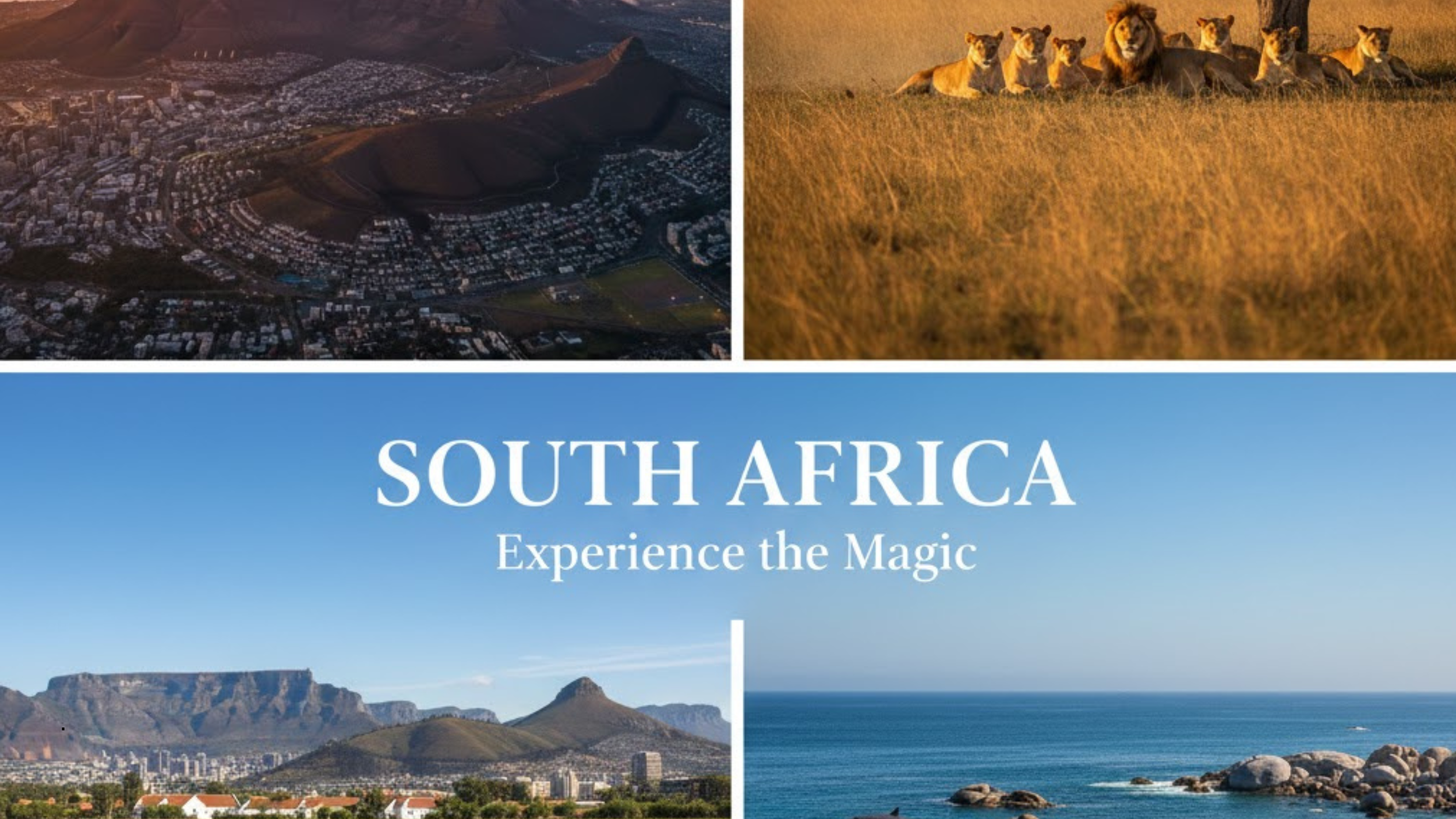
South Africa is a land of extraordinary contrasts, where cosmopolitan cities meet untamed wilderness, where penguin colonies waddle on pristine beaches, and where the legacy of a complex history intertwines with a vibrant, multicultural present. From the iconic Table Mountain overlooking Cape Town to the sprawling savannas of Kruger National Park, this Rainbow Nation offers travelers an experience unlike any other on the African continent.
Whether you're drawn by the promise of safari adventures, world-class wines, breathtaking coastlines, or rich cultural heritage, South Africa delivers on all fronts. This comprehensive guide will help you navigate everything you need to know for an unforgettable journey to one of the world's most captivating destinations.
When to Visit
South Africa's seasons are reversed from the Northern Hemisphere, with summer running from November to March and winter from June to August. The best time to visit largely depends on what you want to experience.
For wildlife viewing, the dry winter months of May through September are ideal. During this period, vegetation thins out, animals congregate around water sources, and the lack of rain makes game drives more comfortable. This is peak safari season, particularly in Kruger National Park and private game reserves.
If you're interested in exploring Cape Town and the Western Cape's wine regions, consider visiting during their summer months from December to February. The weather is warm and perfect for beach activities, though this is also the busiest tourist season. The shoulder seasons of September to November and March to May offer pleasant weather with fewer crowds and better prices.
The Garden Route is beautiful year-round, though whale watching season from June to November draws visitors to coastal towns like Hermanus, where southern right whales come close to shore to calve and nurse their young.
Entry Requirements and Practical Information
Most visitors from North America, Europe, and many other countries can enter South Africa visa-free for stays up to ninety days. However, requirements change, so verify current regulations before traveling. Your passport should be valid for at least thirty days beyond your intended departure date and have at least two blank pages.
South Africa uses the South African Rand as currency. ATMs are widely available in cities and towns, and credit cards are accepted at most establishments. However, always carry some cash for smaller vendors, tips, and rural areas.
The country has eleven official languages, but English is widely spoken in tourist areas, making communication relatively easy for international visitors. That said, learning a few words in Afrikaans or isiZulu can enhance your cultural experience.
Must-Visit Destinations

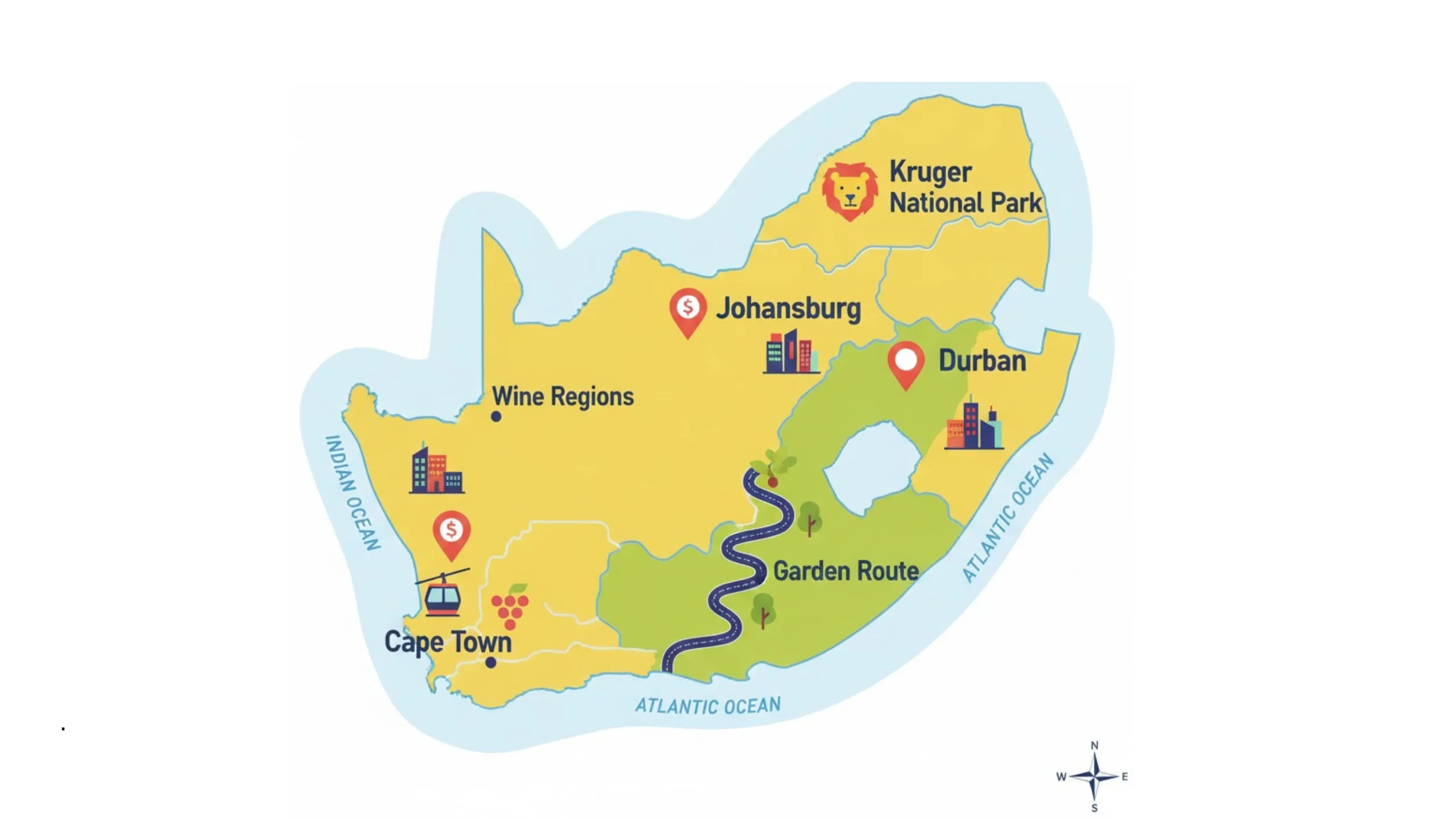
Cape Town stands as South Africa's most iconic city, dominated by the magnificent Table Mountain. Take the rotating cable car to the summit for panoramic views stretching across the city, the Atlantic Ocean, and the surrounding peaks. Explore the V&A Waterfront, a bustling harbor area filled with shops, restaurants, and attractions. Visit Robben Island, where Nelson Mandela was imprisoned for eighteen years, for a sobering look at apartheid history.
The Cape Peninsula offers stunning coastal drives, including Chapman's Peak Drive, one of the world's most scenic routes. Stop at Boulders Beach to see the African penguin colony, then continue to the Cape of Good Hope, where the Atlantic and Indian Oceans converge dramatically.
The Winelands, just an hour from Cape Town, encompass the charming towns of Stellenbosch, Franschhoek, and Paal. These regions produce world-class wines, particularly Chenin Blanc, Pinotage, and Cabernet Sauvignon. Spend days touring historic estates, dining at acclaimed restaurants, and cycling through vine-covered valleys.
Kruger National Park remains South Africa's flagship wildlife destination. This massive reserve, roughly the size of Israel or New Jersey, hosts the Big Five—lion, leopard, elephant, buffalo, and rhinoceros—along with hundreds of other species. You can explore Kruger through self-drive adventures, staying in rest camps throughout the park, or opt for luxury accommodations in adjacent private reserves like Sabi Sands, where game viewing is often more intimate and exclusive.
The Garden Route stretches along the southern coast between Mossel Bay and Storms River, offering diverse landscapes from pristine beaches to indigenous forests. Highlights include the seaside town of Knysna with its famous lagoon and oysters, the adventure capital of Plettenberg Bay, and Tsitsikamma National Park with its dramatic coastal scenery and suspension bridges through ancient forests.
Johannesburg, while often overlooked by tourists, offers compelling cultural experiences. Visit the Apartheid Museum for essential historical context, explore the revitalized neighborhood of Maboneng with its art galleries and trendy eateries, or tour Soweto, the sprawling township that was home to both Nelson Mandela and Desmond Tutu.
The Drakensberg Mountains in KwaZulu-Natal provide spectacular hiking opportunities with towering basalt peaks, pristine rivers, and ancient San rock art. This UNESCO World Heritage Site offers everything from gentle valley walks to challenging multi-day treks.
For those seeking off-the-beaten-path adventures, the Wild Coast in the Eastern Cape delivers rugged, undeveloped coastline with traditional Xhosa villages, while the arid Karoo region offers stark beauty, stargazing opportunities, and insights into South Africa's farming heritage.
Safari Planning
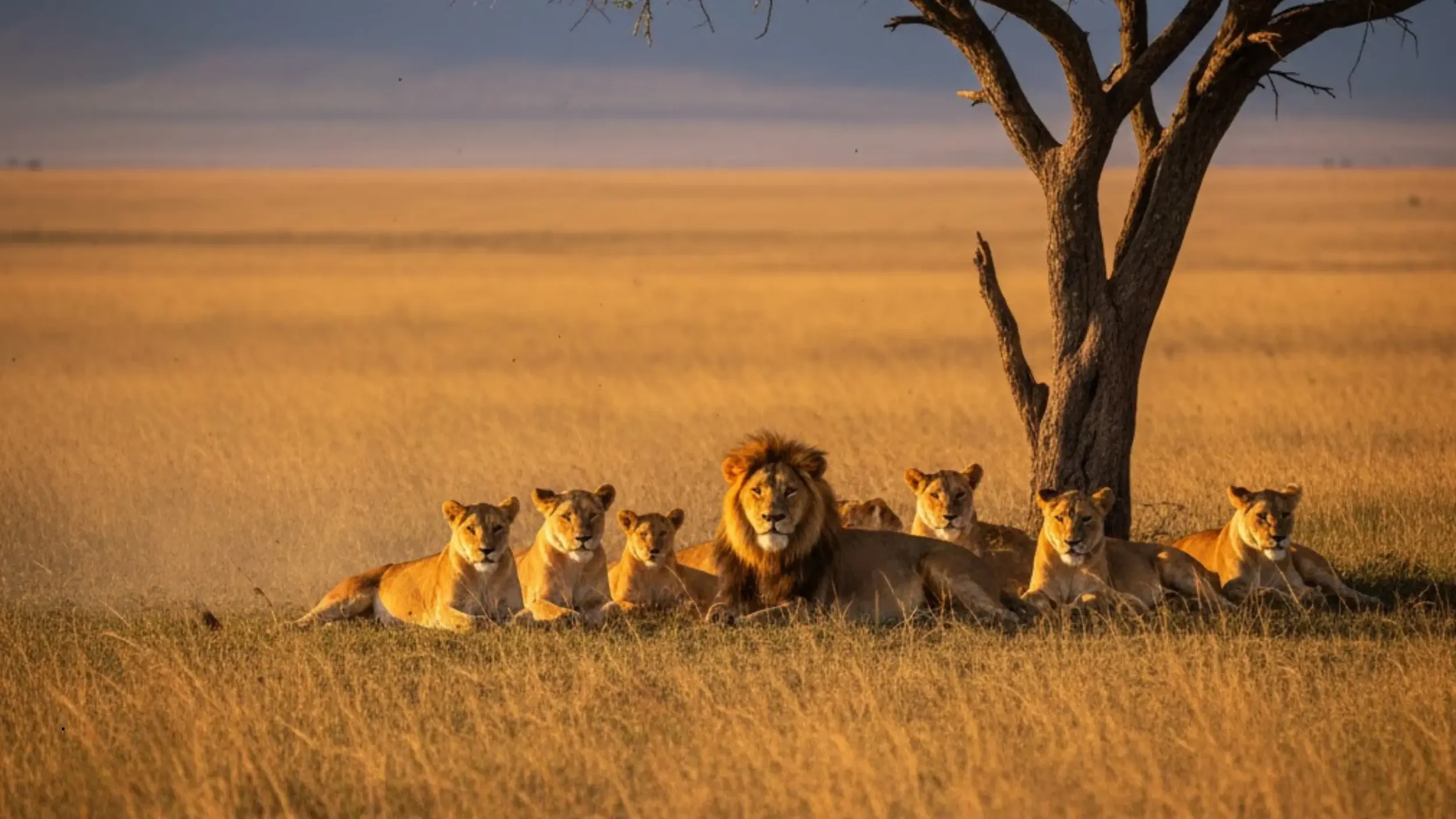
Going on safari is often the highlight of a South Africa trip, but planning requires some consideration. Kruger National Park offers the most accessible and affordable option, with excellent infrastructure for self-drive visitors. Book accommodation well in advance, especially during peak season.
Private game reserves adjacent to Kruger, such as Sabi Sands, Timbavati, and Manyeleti, offer more exclusive experiences with expert guides, luxurious lodges, and the ability to go off-road for better animal sightings. These come at a premium price but often include all meals, game drives, and bush walks.
For a malaria-free safari option, consider reserves in the Eastern Cape like Addo Elephant National Park or private reserves such as Shamwari or Kwandwe. These are particularly suitable for families with young children or travelers who prefer to avoid antimalarial medication.
Pack neutral-colored clothing, binoculars, a good camera with zoom capabilities, sunscreen, a hat, and layers for early morning drives when temperatures can be surprisingly cool. Most lodges provide blankets during game drives.
Culinary Experiences
South African cuisine reflects the country's diverse cultural heritage, blending indigenous, Dutch, Malay, Indian, and British influences. Start with a traditional braai, the South African version of barbecue, where various meats are grilled over open flames. Try boerewors, a flavorful sausage, and biltong, dried cured meat similar to jerky.
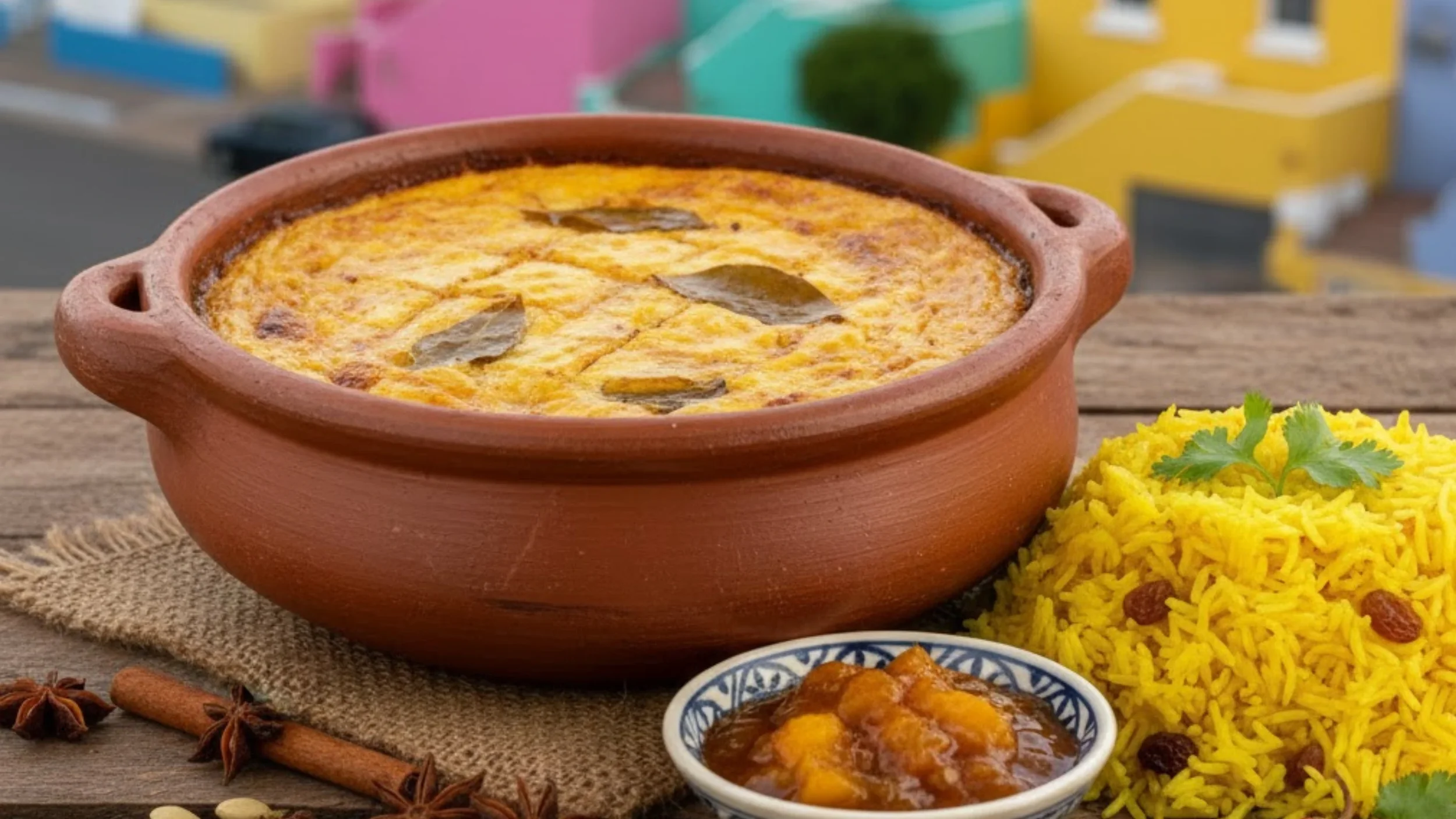
Cape Malay cuisine, centered in Cape Town's historic Bo-Kaap neighborhood, offers fragrant curries and dishes like bobotie, a spiced minced meat casserole with an egg topping. Bunny chow, originating from Durban's Indian community, consists of hollowed-out bread filled with curry.
Don't miss sampling local seafood, particularly in coastal areas. Fresh linefish, snoek, and crayfish feature prominently on menus, while the West Coast is famous for its oysters and mussels.
The wine industry produces exceptional vintages at remarkably affordable prices. Beyond wine estates, craft beer and gin distilleries have flourished in recent years, offering tastings and tours throughout the country.
Safety Considerations
South Africa has reputation challenges regarding crime, and while certain precautions are necessary, millions of tourists visit safely each year. Stay alert and aware of your surroundings, particularly in cities. Avoid walking alone at night, especially in unfamiliar areas. Keep valuables out of sight and use hotel safes.
In cities, use reputable taxi services or ride-sharing apps rather than hailing cabs on the street. When driving, keep doors locked and windows up, particularly at traffic lights in urban areas. Avoid displaying expensive jewelry, cameras, or electronics unnecessarily.
Townships can offer enriching cultural experiences, but visit with a reputable guide who knows the area well. The same applies to hiking in remote areas where having a guide enhances both safety and the experience.
Most tourist areas, hotels, and restaurants maintain high safety standards. By taking sensible precautions similar to those you'd take in any major city worldwide, you can enjoy South Africa's treasures with minimal risk.
Getting Around
South Africa's size means internal flights often make sense for covering long distances. Domestic airlines connect major cities affordably and efficiently. For exploring regions like the Garden Route, Cape Peninsula, or wine country, renting a car provides the most flexibility.
Driving is on the left side of the road, and road conditions are generally good on major routes. Highway tolls are common, and many now use electronic toll collection systems, so clarify arrangements with your rental company. Be cautious of animals crossing roads in rural areas, and avoid driving at night outside cities when possible.
Within Cape Town, the MyCiTi bus system offers reliable public transportation, while the Gautrain connects Johannesburg, Pretoria, and the airport efficiently. However, public transportation options are limited in many areas, making car rental the preferred choice for most visitors.
Cultural Sensitivity and Etiquette
South Africa's complex history deserves respect and understanding. While apartheid ended in 1994, its effects persist, and inequality remains visible. Approach historical sites and discussions with sensitivity and openness to learning.
When visiting townships or rural communities, remember you're entering people's neighborhoods, not theme parks. Hire local guides who can facilitate respectful interactions and provide context. Always ask permission before photographing people.
Tipping is customary in South Africa. Restaurant servers typically receive ten to fifteen percent, while safari guides and trackers are usually tipped separately at the end of your stay. Gas station attendants who fill your tank and car guards who watch vehicles appreciate small tips.
South Africans are generally warm and friendly. Greetings are important, so take time to say hello before launching into requests or questions. The concept of "African time" means things may move slower than you're used to, particularly outside major cities. Embrace a more relaxed pace as part of the experience.
Conclusion
South Africa offers a richness of experiences that few destinations can match. Whether you're watching a lion pride on the prowl, sipping Chenin Blanc while overlooking vine-covered valleys, hiking to hidden waterfalls in ancient forests, or engaging with communities working to preserve their cultural heritage, every moment reveals new facets of this extraordinary country.
The Rainbow Nation's diversity extends beyond its people to encompass landscapes, wildlife, cuisines, and experiences that will challenge, inspire, and ultimately transform you. With proper planning and an open heart, your South African adventure will create memories that endure long after you've returned home, and quite possibly, leave you already planning your return to this captivating corner of the world.