
Winter Tourism: Why Cold-Season Travel Is More Magical Than Ever
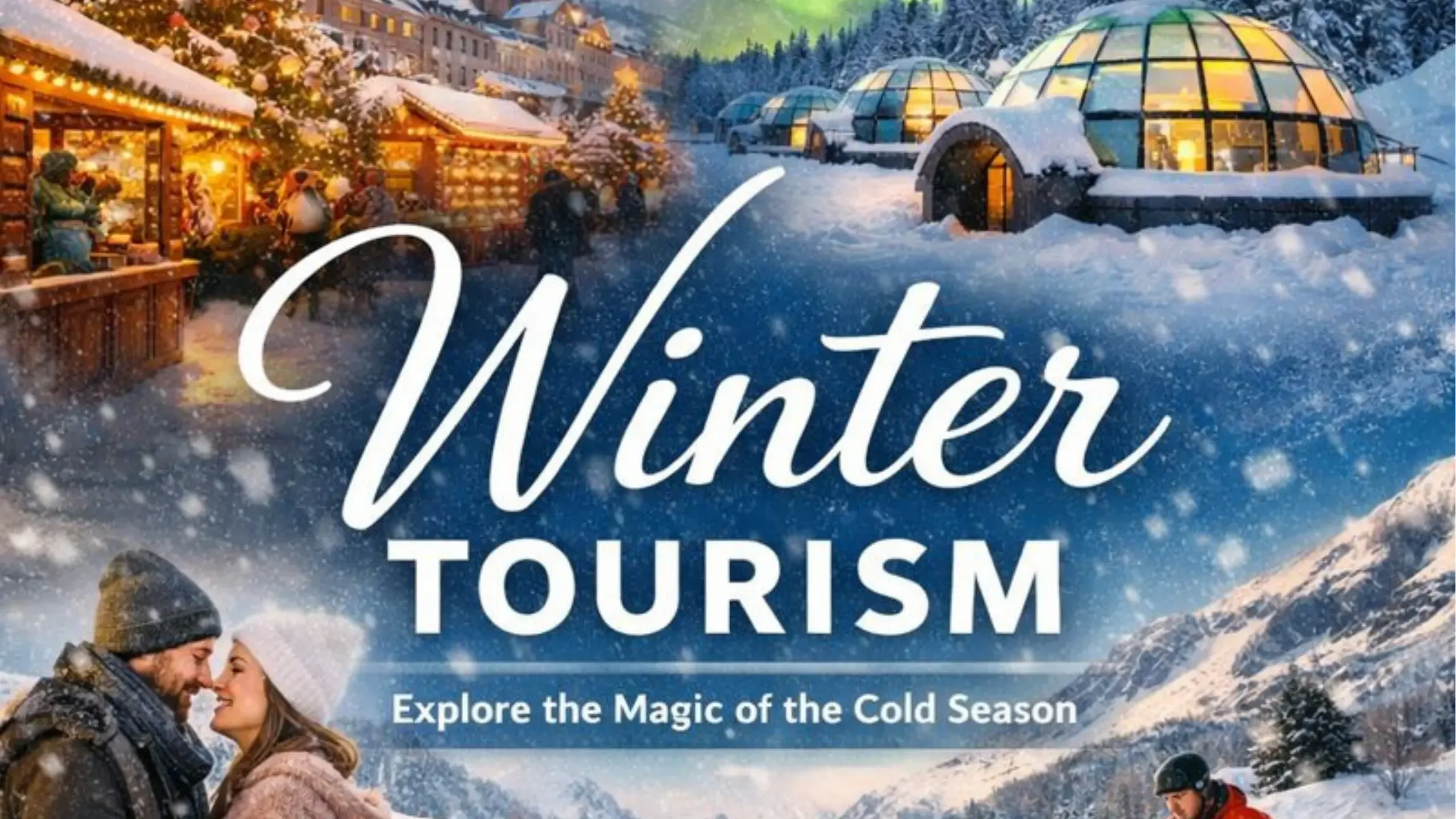
Winter tourism is no longer just about skiing and snowy mountains. In recent years, winter travel has evolved into one of the most exciting and diverse segments of the tourism industry. From festive city breaks and Arctic adventures to wellness retreats and cultural escapes, winter offers travelers unique experiences that simply don’t exist during other seasons.
As travelers seek fewer crowds, better prices, and more meaningful experiences, winter tourism continues to grow — redefining how we explore the world.
What Is Winter Tourism?
Winter tourism refers to travel that takes place during the colder months, typically from December to March, and focuses on seasonal experiences such as snow-based activities, winter festivals, cultural travel, and cozy wellness escapes. While traditional winter destinations include ski resorts and alpine towns, modern winter tourism extends far beyond the slopes.
Today’s winter travelers are just as likely to explore Christmas markets in Europe, chase the Northern Lights, relax in thermal spas, or enjoy snow-covered cultural landmarks.
Why Winter Tourism Is Growing in Popularity
1. Fewer Crowds & Better Value
One of the biggest advantages of winter travel is avoiding peak-season crowds. Popular destinations feel more relaxed, allowing travelers to enjoy landmarks, museums, and experiences at a slower pace. Winter also brings off-season pricing on flights, hotels, and tours, making luxury travel more accessible.
2. Unique Seasonal Experiences
Winter creates magical moments that can’t be replicated any other time of year — snow-covered landscapes, festive decorations, seasonal cuisine, and once-a-year celebrations. Whether it’s dog sledding in Lapland or sipping mulled wine in a European market, winter travel feels special and memorable.
3. Rise of Experiential & Slow Travel
Travelers are increasingly drawn to meaningful, immersive experiences. Winter encourages slower travel — cozy stays, local traditions, culinary experiences, and cultural festivals — aligning perfectly with current tourism trends.
Top Winter Tourism Experiences Around the World
❄️ Winter City Breaks
Cities like Paris, Vienna, Prague, Istanbul, and New York transform during winter. Fewer tourists, seasonal events, and atmospheric streets make winter city travel incredibly appealing.
❄️ Snow & Adventure Tourism
Skiing, snowboarding, snowshoeing, ice climbing, and winter hiking attract adventure seekers to destinations like the Alps, the Rockies, Japan’s Hokkaido region, and Eastern Europe.
❄️ Northern Lights Tourism
Aurora tourism has become one of the biggest winter travel trends. Norway, Finland, Iceland, and Canada draw travelers hoping to witness this natural phenomenon.
❄️ Wellness & Thermal Tourism
Cold weather pairs perfectly with wellness travel. Hot springs, thermal baths, saunas, and spa retreats in destinations like Turkey, Hungary, Iceland, and Japan are booming in winter.
❄️ Festive & Cultural Travel
Christmas markets, winter festivals, New Year celebrations, and local traditions make winter a culturally rich travel season — especially in Europe and Asia.
Best Destinations for Winter Tourism
Europe: Switzerland, Austria, France, Germany, Italy, Turkey
Nordic Countries: Norway, Finland, Sweden, Iceland
Asia: Japan, South Korea, Georgia
North America: Canada, USA (Colorado, Vermont, New York)
Middle East: Turkey, Jordan, Morocco (mild winter escapes)
Winter Tourism & Sustainability
Winter tourism can also support sustainable travel when done responsibly. Visiting destinations during their low season helps balance tourism flow, supports local economies year-round, and reduces overtourism pressure during summer months.
Many destinations are now investing in eco-friendly winter resorts, carbon-conscious transport, and community-based winter experiences.
Tips for Planning a Winter Trip
Pack smart: layers, waterproof clothing, and thermal wear
Book early for popular winter events and festivals
Check daylight hours in northern destinations
Choose travel insurance that covers winter activities
Consider guided tours for safety and local insight
The Future of Winter Tourism
Winter tourism is expected to continue growing as travelers prioritize unique experiences, seasonal travel, and flexible itineraries. With trends like workations, wellness retreats, and experiential travel on the rise, winter is no longer considered an “off-season” — it’s becoming a prime time to explore the world.
Winter tourism offers something truly special: quieter destinations, authentic cultural moments, and unforgettable landscapes. Whether you’re chasing snow, culture, wellness, or festive magic, winter travel delivers experiences that stay with you long after the season ends.
If you’re looking for a smarter, more meaningful way to travel — winter might just be the perfect time to go.